Walking onto a job site or into a retail floor, the first thing people notice is what the team is wearing. A crisp, well-designed uniform does more than identify staff. It projects competence, builds trust, and sets the tone for every customer interaction. Over the years I have seen companies pour money into branding and marketing, only to hand their employees generic shirts that fade, shrink, or peel after a few washes. That is a missed opportunity.
Investing in quality printed workwear is one of the simplest ways to turn your team into walking billboards. But not all printing methods or garment choices deliver the same result. The difference between a shirt that looks professional for months and one that looks tired after two washes often comes down to the printing technique, the fabric, and how the garment is cared for. Let me walk through what I have learned from years of working with businesses on their apparel programs.
Screen Printing vs. Embroidery: Which One Fits?
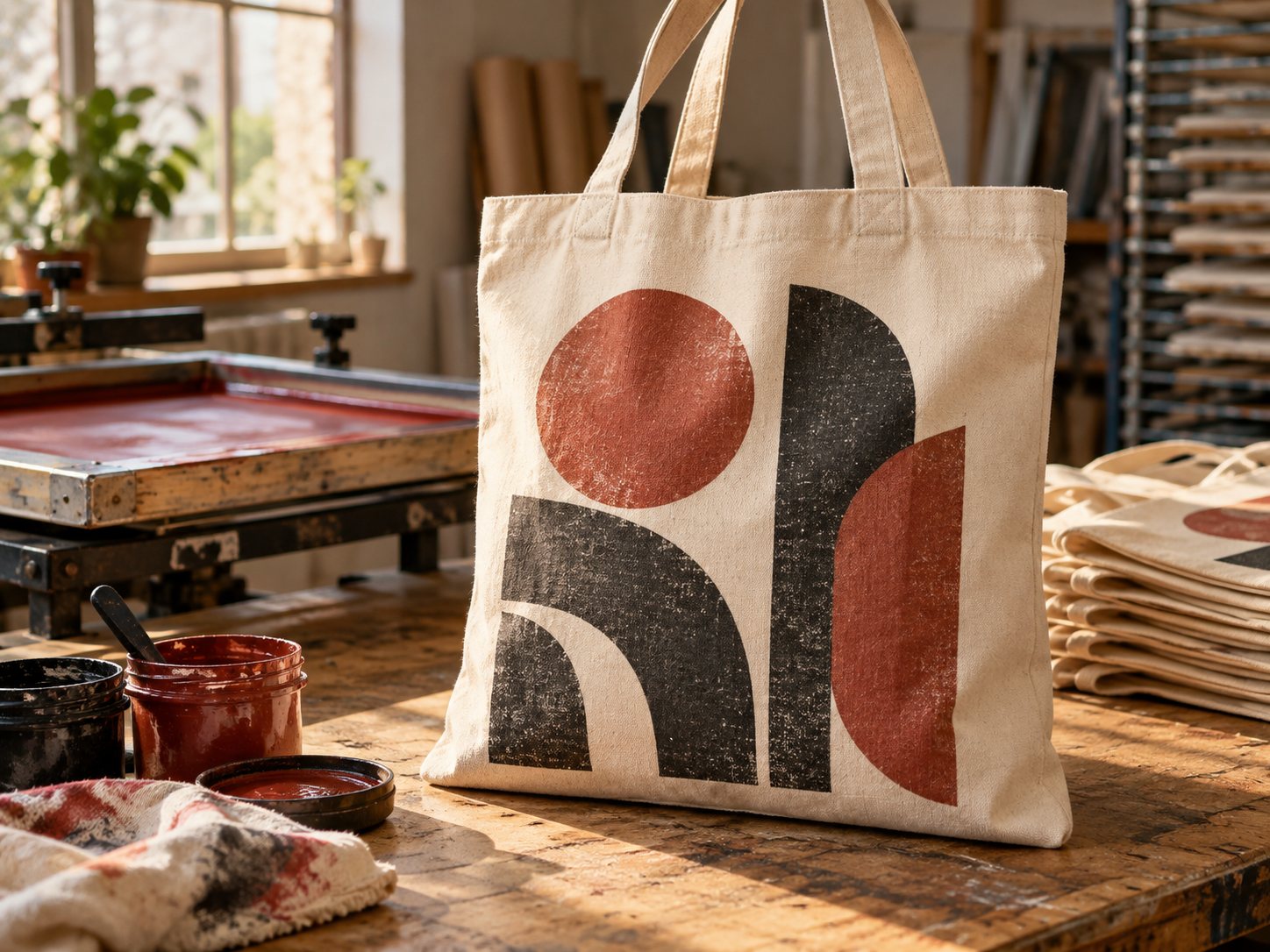
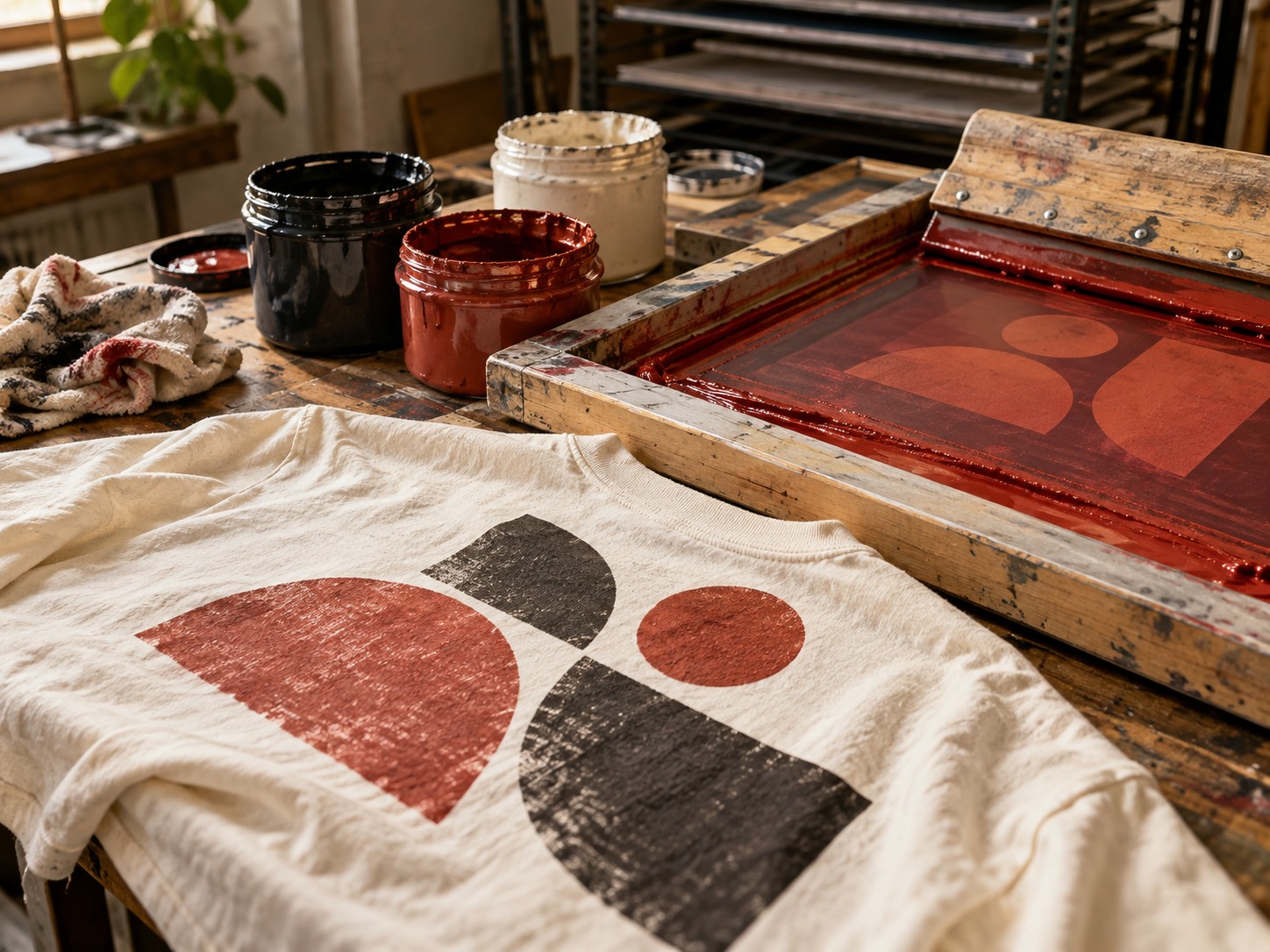
Screen printing has been the backbone of custom apparel for decades, and for good reason. It lays down thick, vibrant layers of ink that bond with the fabric fibers. The result is a design that feels part of the shirt, not stuck on top. For large orders with simple logos or text, screen printing offers the best cost per piece and the longest wear life. I have seen screen-printed shirts go through a hundred wash cycles and still look sharp.
Embroidery, on the other hand, adds a tactile, premium feel. It works especially well on polo shirts, jackets, and hats. The raised thread gives a sense of quality that screen printing cannot match. But embroidery has limits. Fine details, gradients, and very small text can get lost in the stitching. For a logo with a lot of small type or intricate artwork, screen printing is usually the safer choice.
Many businesses end up mixing both. They use screen printing for t-shirts and sweatshirts, and embroidery for front-of-house staff who wear polos or button-downs. That hybrid approach gives you the best of both worlds without compromising on durability or appearance.
Fabric Matters More Than You Think
A common mistake I see is choosing a shirt based solely on price. Cheap blanks often have a low thread count and a loose weave. They shrink unevenly, lose their shape, and the print cracks or peels because the fabric stretches differently than the ink. A good print on a poor garment still looks bad after a few washes.
For printed workwear, I recommend a 50/50 cotton-polyester blend for most applications. The cotton gives breathability and a soft hand, while the polyester adds durability and resists shrinking. If the work involves physical labor or outdoor conditions, a higher polyester content or a performance fabric with moisture-wicking properties is worth the extra cost. Your crew will stay cooler, and the prints will hold up better against sweat and movement.
One client of mine runs a landscaping company. They switched from cheap cotton tees to a poly-cotton blend with a darker color, hiding dirt and fading. Their crews looked more professional, and the shirts lasted the whole season instead of being replaced every few months. That kind of change saves money in the long run.
Design for Real Wear
A logo that looks great on a computer screen may not translate well onto a shirt. Thin lines, tiny text, and complex gradients often blur or get lost in the printing process. For screen printing, the general rule is to keep line weights at least 1 point thick and avoid details smaller than a quarter-inch. If your logo has a lot of fine detail, consider simplifying it for apparel or using embroidery where the thread can better represent the shape.
Placement matters too. The classic left chest print is standard for a reason. It is visible without being overwhelming. But for employees who move around a lot, a large back print or a sleeve logo can increase visibility from all angles. I have seen construction crews get great results with a full back print of the company name and a small front logo. Retail staff often benefit from a large front design so customers can read it from across the store.
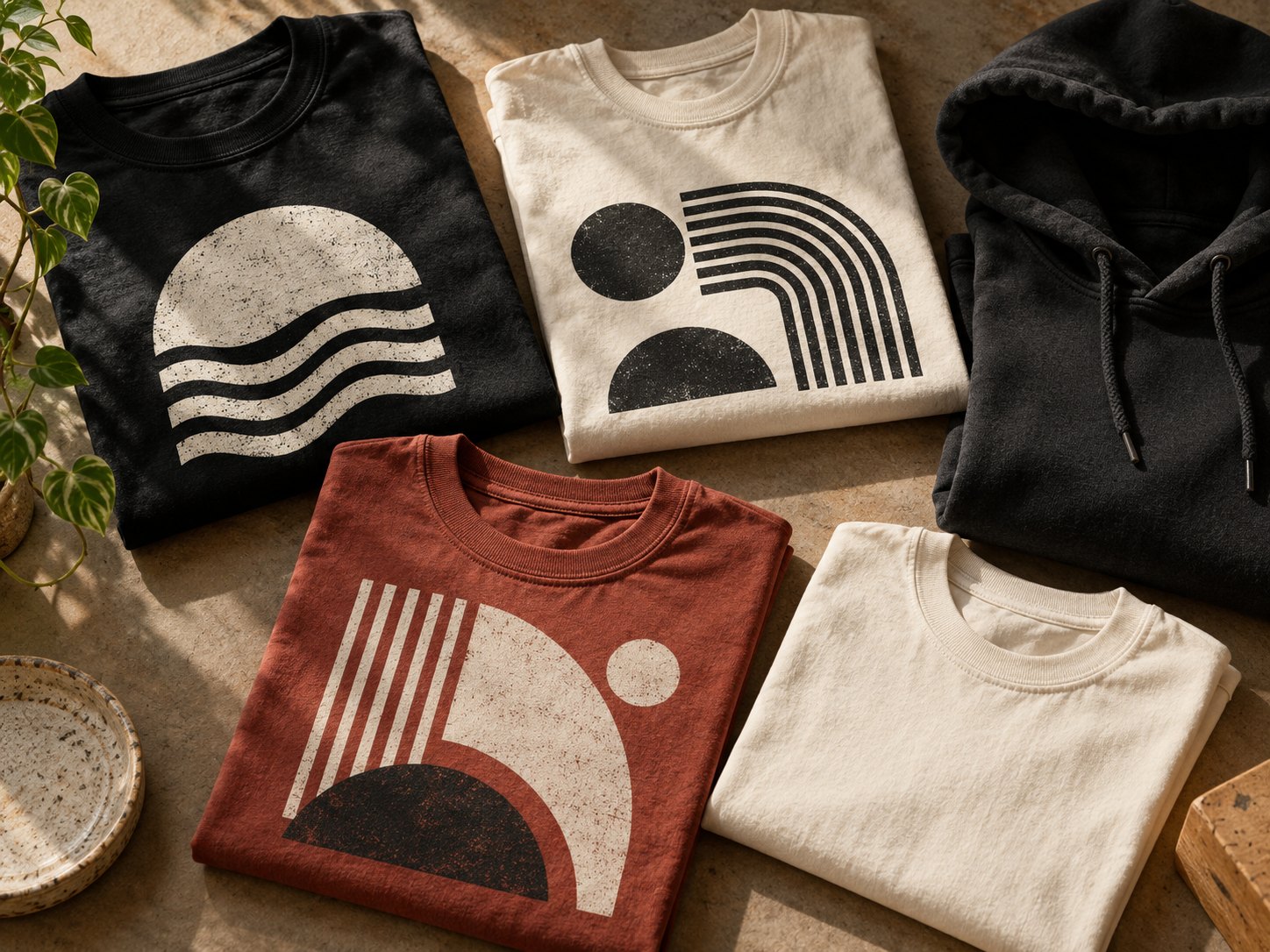
Color contrast is another factor. A light logo on a dark shirt pops and is easy to read. Dark logos on light shirts work well too, but be mindful of light colors that may show dirt easily. For outdoor workers, high-visibility colors with reflective elements are not just about branding; they are a safety feature.
Ordering for the Long Haul
One of the hardest parts of managing workwear is consistency. You order a batch of shirts, and they look great. Six months later, you need to reorder for new hires, but the original style or color is discontinued. Or the printer has changed their ink formula, and the new shirts look slightly different. To avoid that, I recommend ordering a small overrun on every job. Keep extras in storage. When you reorder, use the same artwork file and specify the same garment brand and color code.
Also, think about the season. If you order heavy hoodies in March, they may not arrive until April, and by May your team is sweating in them. Plan ahead by at least eight to ten weeks for custom orders, especially if you are ordering during peak seasons like back-to-school or the holidays.
Care Instructions Extend the Life
Even the best printed workwear will not last if it is washed in hot water and thrown in a high-heat dryer. I always tell clients to print care instructions on a hang tag or include them in the onboarding packet for new employees. Cold water wash, gentle cycle, and low heat or air drying. Turning the shirts inside out before washing protects the print from friction against other clothes.
One warehouse manager I worked with had his crew wash their shirts at the end of each week instead of after every shift. That cut down on wear and kept the prints looking fresh for months longer. Small changes in routine make a big difference in how long the apparel looks good.
When you invest in quality printed workwear, you are not just buying shirts. You are buying a consistent, professional image that your customers see every day. That impression builds trust and reinforces your brand in a way that a digital ad never can. The upfront cost may be higher, but the return in brand visibility and employee pride is well worth it.
For businesses in the Garden Grove area, DSP Printing, located at 11611 Salinaz Dr Ste O, Garden Grove, CA 92843, USA, offers custom screen printing and embroidered apparel services that help organizations get the look and durability they need. You can reach them at +1 714-951-4919 to discuss your next order.
Connect with us on Instagram.